


Here at Activate Digital, we take real pride in the results we achieve for our clients.
Their visibility across online search engines regularly puts them ahead of the competition, with many securing top positions on Google and attracting a steady flow of leads, enquiries, and sales as a result.
Our SEO Executive, Mark Boyle, likes to say that he is the one who makes that magic happen, and honestly, we cannot argue with him. But we are going to let you in on a little secret: even Mark, like the best Search Engine Optimisation managers out there, gets a helping hand from some rather nifty tools.
Here is a roundup of some of the best SEO tools worth knowing about, straight from the man himself.
1. Agency Analytics
Agency Analytics is a platform built with agencies in mind, making it a natural fit for teams managing SEO campaigns across multiple clients. It pulls together ranking data, traffic metrics, and other key performance indicators into customisable dashboards and automated monthly reports.
Rather than toggling between several platforms to compile results, Agency Analytics brings everything into one place, saving time and presenting data in a clean, client-friendly format. It is the kind of tool that makes reporting feel less like a chore and more like a genuine showcase of progress.
2. Google Search Console
If there is one tool that every digital marketer should have set up without question, it is Google Search Console.
You can monitor which queries are driving impressions and clicks, identify pages that are struggling to get indexed, spot crawling errors before they cause real damage, and review your Core Web Vitals performance.
It is the closest you will get to a direct line of communication with Google, and ignoring it simply is not an option for any serious SEO effort.
3. Google Analytics
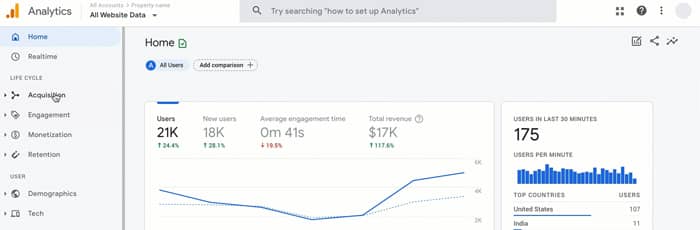
Working alongside Search Console, Google Analytics focuses on what visitors actually do once they arrive on your website. It gives marketers a clear view of how people find a site, which pages keep their attention, and where potential customers lose interest before converting.
From identifying the pages bringing in the most leads to spotting weak points in a checkout journey, the platform turns user behaviour into actionable insights. With the introduction of GA4, Google Analytics shifted towards event-based tracking, allowing businesses to measure specific interactions such as button clicks, video plays, downloads, and purchases with far greater accuracy.
4. Yoast SEO
For anyone running a WordPress website, Yoast SEO is one of the most widely used plugins available. It simplifies the process of setting meta titles and descriptions, managing canonical tags, generating XML sitemaps, and controlling how pages are presented in search results.
The interface gives instant feedback on readability and keyword optimisation as you write, making it a useful prompt for content editors as well as SEO specialists. While Yoast handles a great deal of the technical groundwork automatically, it works best when the person using it understands what the recommendations actually mean.
5. Ahrefs
Ahrefs has built its reputation on delivering huge amounts of useful SEO data without making it feel overwhelming.
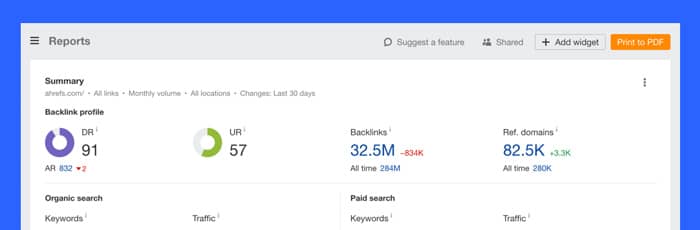
The platform is particularly well known for its backlink analysis capabilities, helping businesses understand who is linking to their website, where competitors are earning authority, and which opportunities are still up for grabs. Ahrefs also offers powerful keyword research, content gap analysis, rank tracking and site auditing tools, making it an all-in-one platform for building and refining an SEO strategy.
One of its biggest strengths lies in competitor research. A quick search can reveal which pages drive the most traffic to rival websites, which keywords they rank for, and where their strongest backlinks come from. For digital marketers, that kind of insight feels a bit like getting a look at the answers before the exam starts.
6. SE Ranking
SE Ranking offers a comprehensive suite of SEO tools at a competitive price, making it a popular choice for agencies and in-house teams alike. Its rank tracking is particularly accurate and flexible, allowing you to monitor positions across different search engines, devices, and locations.
SE Ranking has also invested in AI-powered features in recent years, including content generation assistance and on-page optimisation suggestions, which can help speed up parts of the SEO workflow without sacrificing quality.
7. Screaming Frog SEO Spider
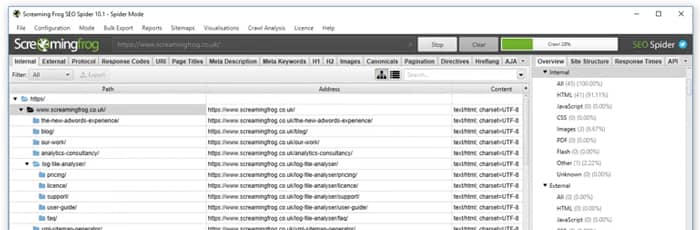
Screaming Frog is the go-to tool for technical SEO audits. It crawls your website in the same way a search engine would and surfaces a wide range of issues that could be holding back your performance. Broken links, redirect chains, duplicate content, missing meta tags, thin pages, poor internal linking, and slow page load times are all things Screaming Frog can identify quickly and at scale.
For agencies conducting site audits on behalf of clients, it is one of the most efficient ways to build a comprehensive picture of the technical health of a website.
8. Google Keyword Planner
Originally designed for Ads campaigns, Google Keyword Planner remains a valuable resource for organic keyword research.
It provides search volume data and forecasting directly from Google, making it a reliable source for understanding the scale of demand around particular topics and phrases. It is especially useful in the early stages of an SEO campaign when you are scoping out which keywords to prioritise and whether the potential traffic justifies the effort required to rank for them.
9. Moz Pro
Moz Pro is well known for introducing the concepts of Domain Authority and Page Authority, which have become widely used metrics for assessing the relative strength of websites and individual pages within the SEO industry.
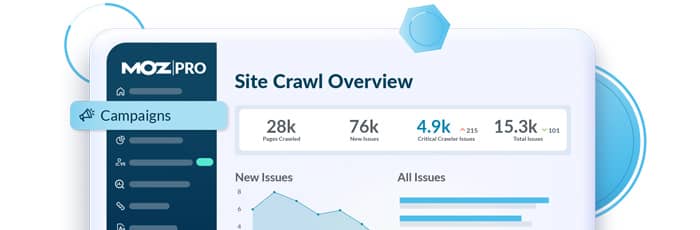
Beyond those headline metrics, Moz Pro offers rank tracking, site auditing, and link research capabilities. It is a solid choice for link building work in particular, as it helps you evaluate prospective link targets and understand the likely value of acquiring a link from a given source.
10. PageSpeed Insights
Page speed is a confirmed ranking factor, and PageSpeed Insights is Google’s own tool for measuring it. Powered by Lighthouse, it analyses a given URL and scores it across performance, accessibility, best practices, and SEO.
Importantly, it also provides specific recommendations for improvement, such as eliminating render-blocking resources, reducing server response times, and optimising image formats. For anyone looking to improve Core Web Vitals scores, it is an indispensable diagnostic tool.
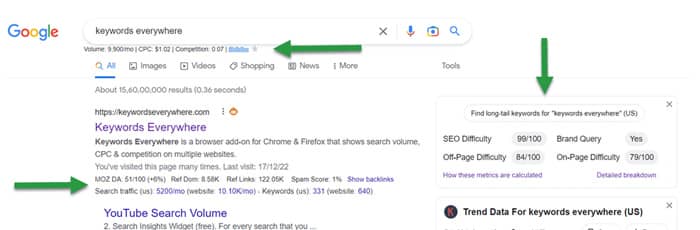
Bonus tool: Keywords Everywhere
Keywords Everywhere is a browser extension that brings keyword data directly into your Google results, removing the need to switch between tools every time you want to check search volumes or find related terms.
As you browse, it displays volume, cost-per-click, and competition data alongside the results you are already looking at. It also surfaces related keywords and long-tail suggestions, making it a convenient way to uncover additional opportunities in the moment rather than in a separate research session.
Tools mean nothing without expertise
The range of SEO tools available today is impressive, but there is a catch: getting real value from them takes time, experience, and a clear strategy. Subscriptions add up, learning curves are real, and data without the knowledge to act on it is of limited use.
That is where working with a specialist agency makes the difference. At Activate Digital, we use these tools every day on behalf of our clients, applying the insights they generate to campaigns that are built around achieving measurable results.
If you would rather spend your time running your business than running SEO reports, we would love to talk.